Environmental Justice Foundation
Press Pack - INC-5.2

Who we are and what we do
EJF is an international NGO which investigates, documents, and exposes the destruction of our natural world. Our work to secure environmental justice aims to defend the fundamental human right to a secure natural environment, recognising that all other rights are contingent on this.
EJF works internationally to inform policy and drive systemic, durable reforms to protect our environment and defend human rights. We investigate and expose abuses and support environmental defenders, Indigenous peoples, communities, and independent journalists on the frontlines of environmental injustice. Our investigators, researchers, filmmakers, and campaigners work with grassroots partners and environmental defenders across the globe.
How you can get in touch
We'd like to work with you on any stories. To contact our press team, email media@ejfoundation.org, or to contact our media representative, email sunny.sichi@ejfoundation.org or alex.morrice@ejfoundation.org.
We are happy to provide background briefings, reactions and interviews on any of our thematic areas in English, French, Spanish and Thai.
The global plastics crisis
Working to reduce, and eventually end, global primary plastic production.

The problem
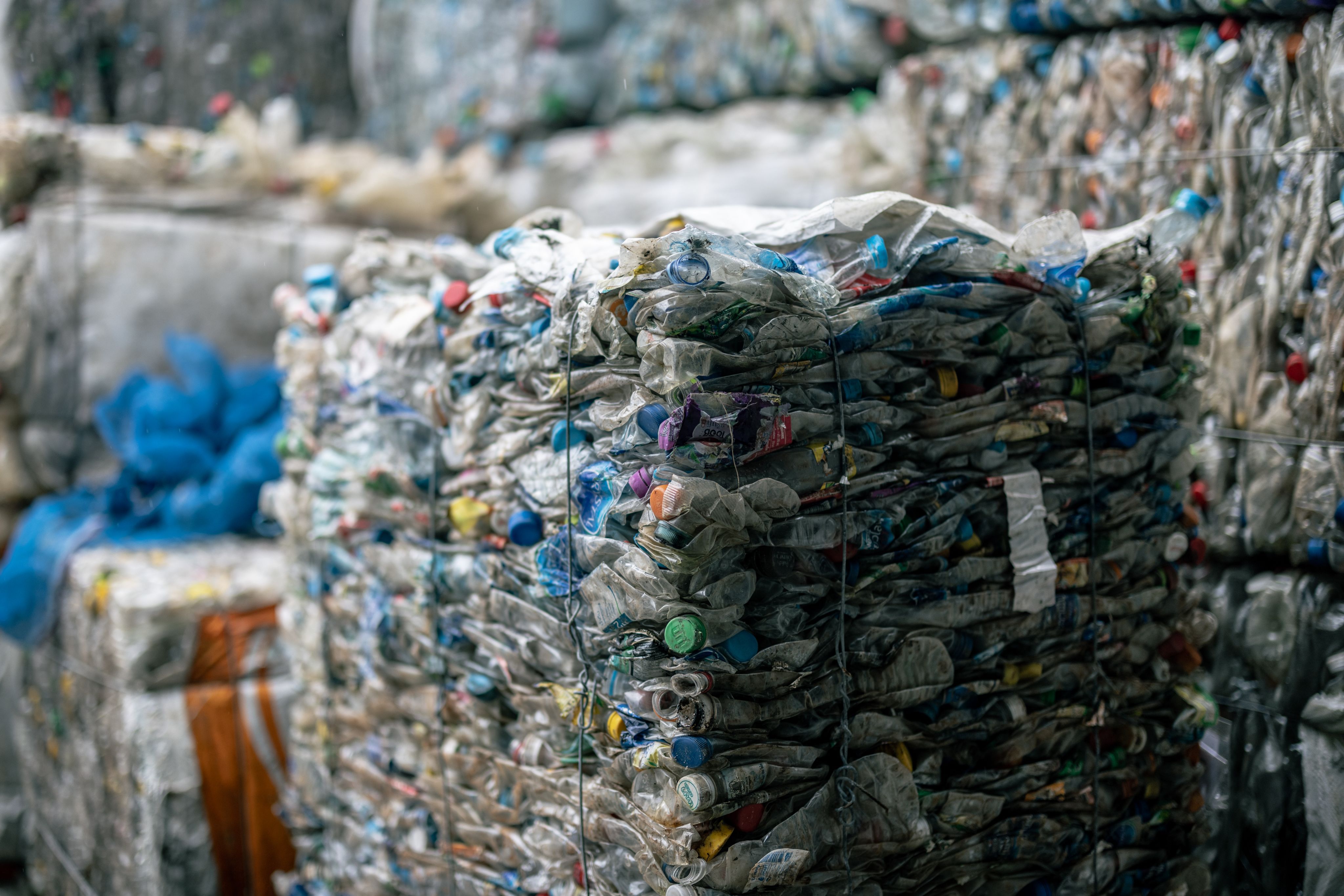
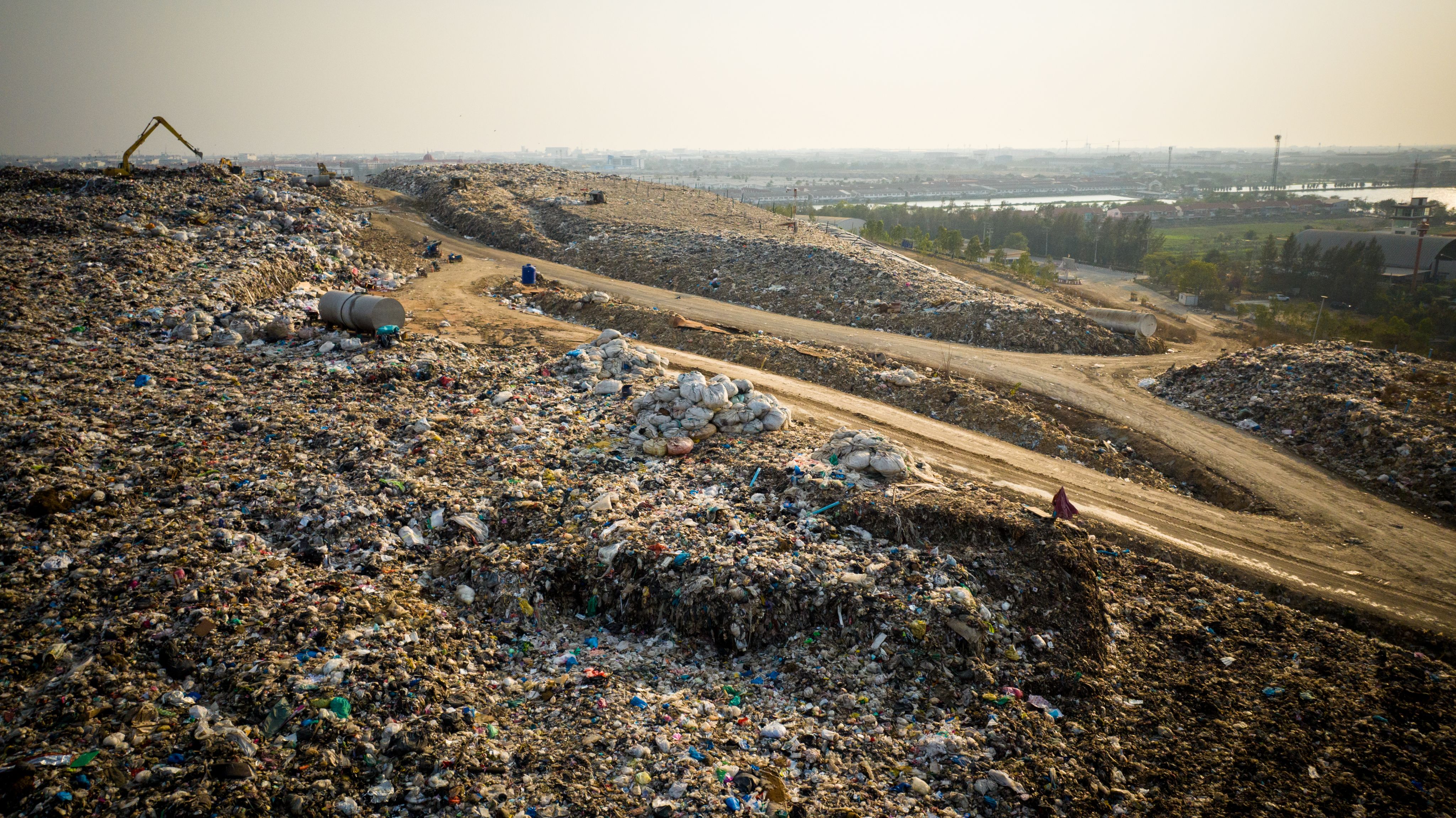
The sheer magnitude of plastic waste on our planet is overwhelming. It is a critical threat to human health and our environmental security.
Every piece of plastic that has ever been produced still exists in our environment today, with the majority of it ending up in our oceans. The slow process of biodegradation means that plastic waste persists for centuries, breaking down into microplastics that disrupt the health of our ecosystems and bodies, threatening humans and animals alike.
INC-5.2 is the final opportunity for countries to achieve a strong, binding Global Plastics Treaty, after a sequence of sessions which have been stalled and rendered unambitious by petrochemical interests.
What we are calling for
We call on decision-makers to support strong measures that address the full life-cycle of plastics, not just waste management. This includes the reduction of plastic production, establishing reuse, refill and repair systems, controlling the use of chemicals in plastic production, and setting ambitious legal instruments that will enable countries to continue the treaty’s momentum past INC-5.2.

Recent investigation
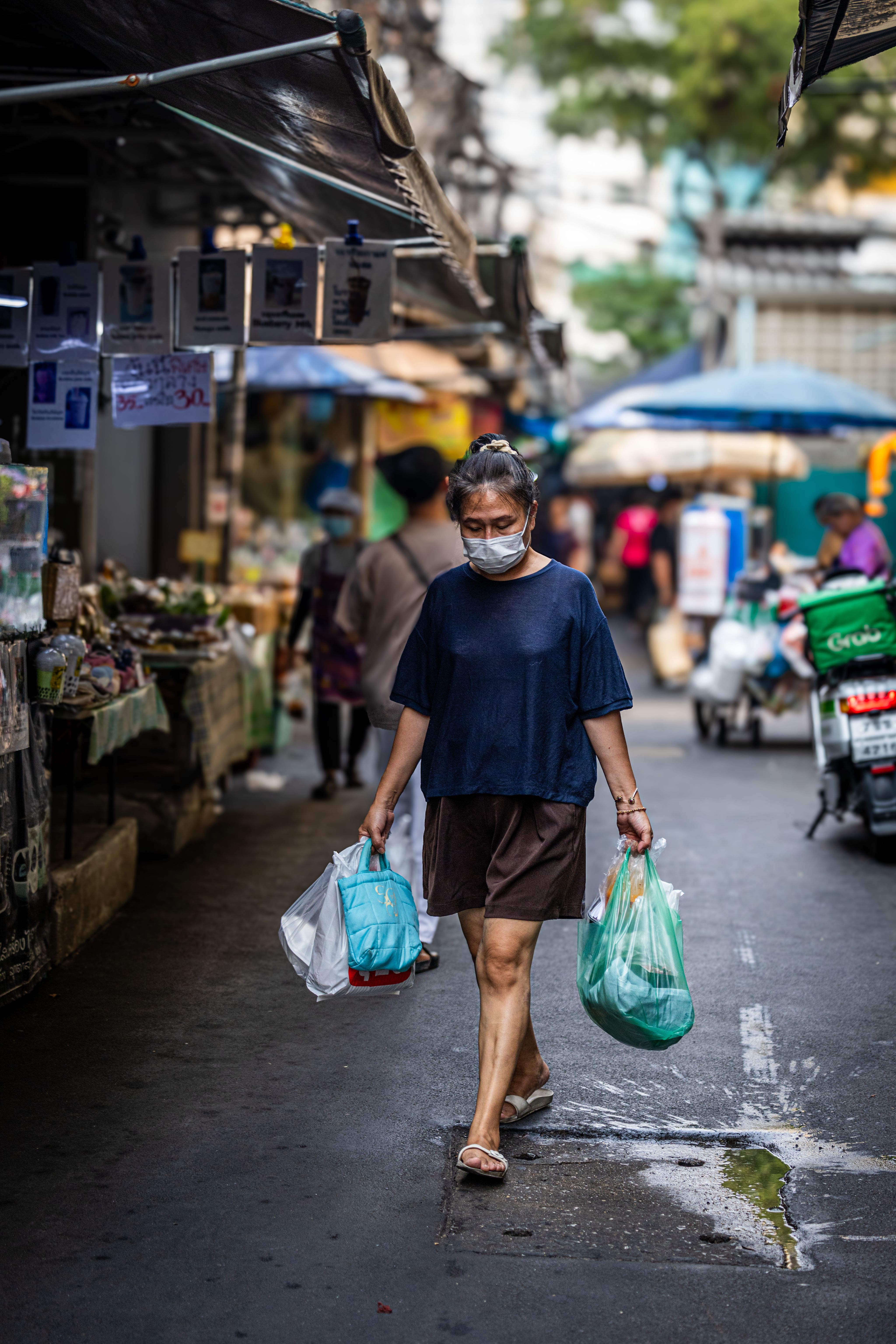
Room for Reduction: Towards sustainable production and consumption of plastics in Thailand - Thailand’s current levels of plastic production and consumption are unsustainable. This policy brief details how sustainable plastic production and consumption could be achieved in Thailand.
EN version, TH version

Impact on human health
The dangers of plastics to our lives and the lives of future generations.

The problem
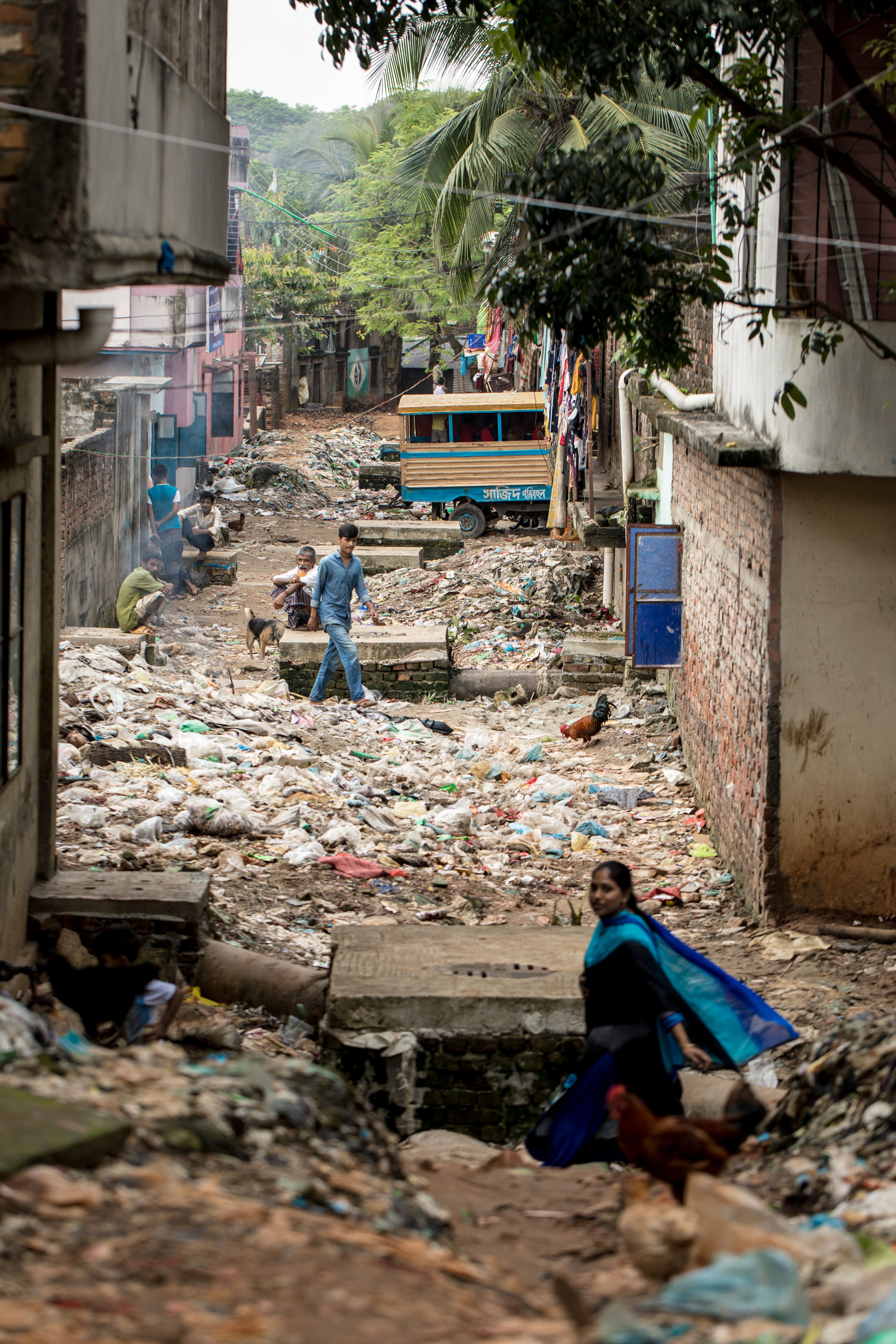
Research shows that plastic pollution is a human health crisis. Plastics are present in and increasingly polluting our bodies. They have been found in our brains, blood, tissue, adult and baby faeces, human breast milk, and have even crossed the placental barrier to enter foetuses’ bloodstreams. The food we eat, the bottles and utensils we use to eat this food, the air we breathe – it all contains plastic particles that make their way into our system.
Plastics have infiltrated every part of the human lifecycle, with serious implications for our health. While we don’t yet know the full effects of these plastics in our bodies, scientists have raised concerns. Experiments show that plastics can cause metabolic and developmental issues, inflammation, chronic illness, and cancer, and stress the body’s immune system. Microplastics and the chemicals they contain can creep into our organs themselves.
What we are calling for
We call on leaders to acknowledge the severity of the plastics crisis on all human life. The Global Plastics Treaty should move beyond only recycling and cleanup efforts. Ending primary plastic production is the only way to truly end the pile up of plastics in not only the environment, but our bodies.

Recent investigation
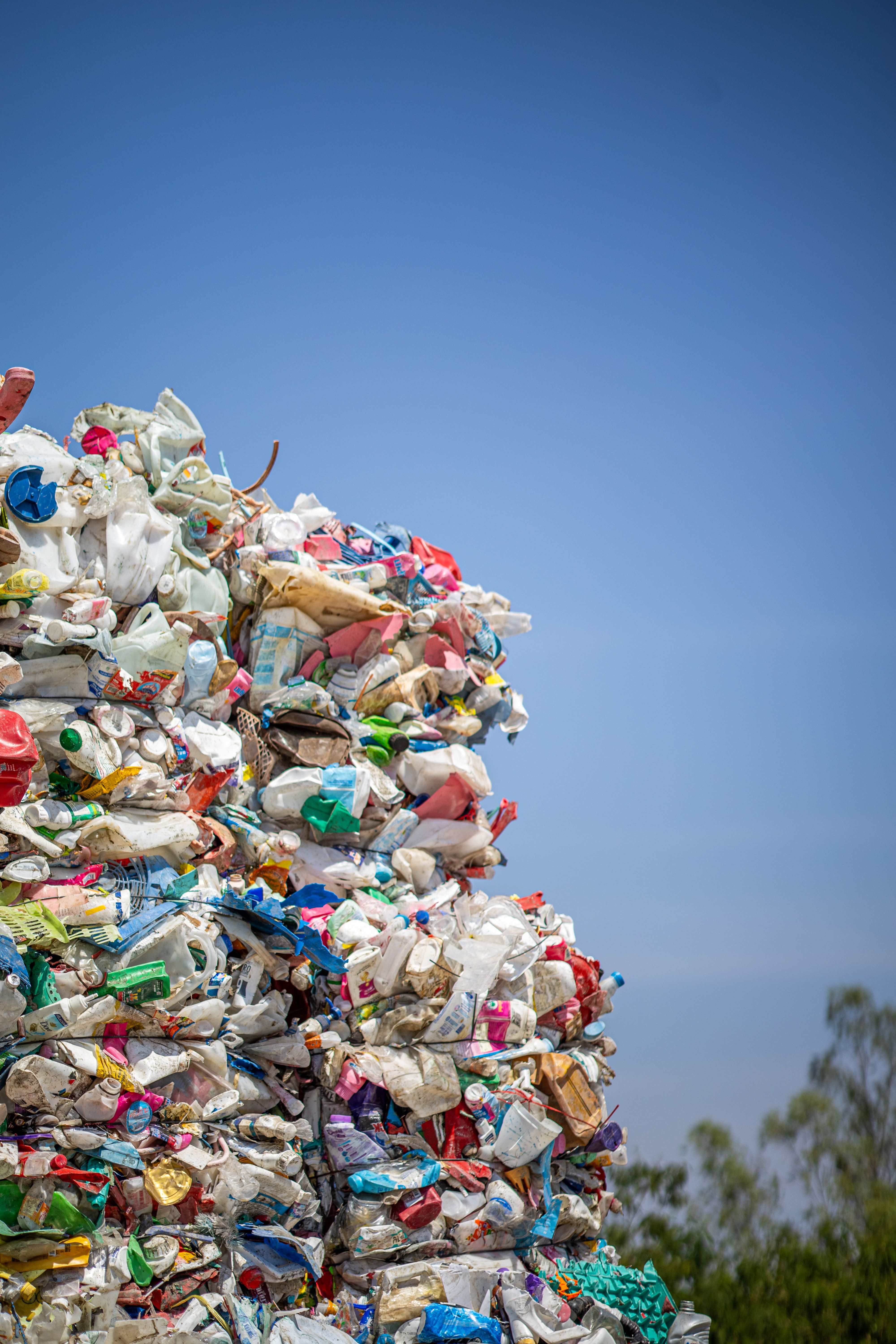
False solutions: unmasking policy gaps in addressing plastic pollution in Thailand and Southeast Asia - This report identifies how and why efforts to tackle plastic pollution in Thailand have proved unsuccessful, particularly focusing on the lack of measures to address the high rate of plastic production and the impact on communities across Thailand.
EN version, TH version

Our work with affected communities in Thailand
Community-based solutions for a sustainable environment.

The problem
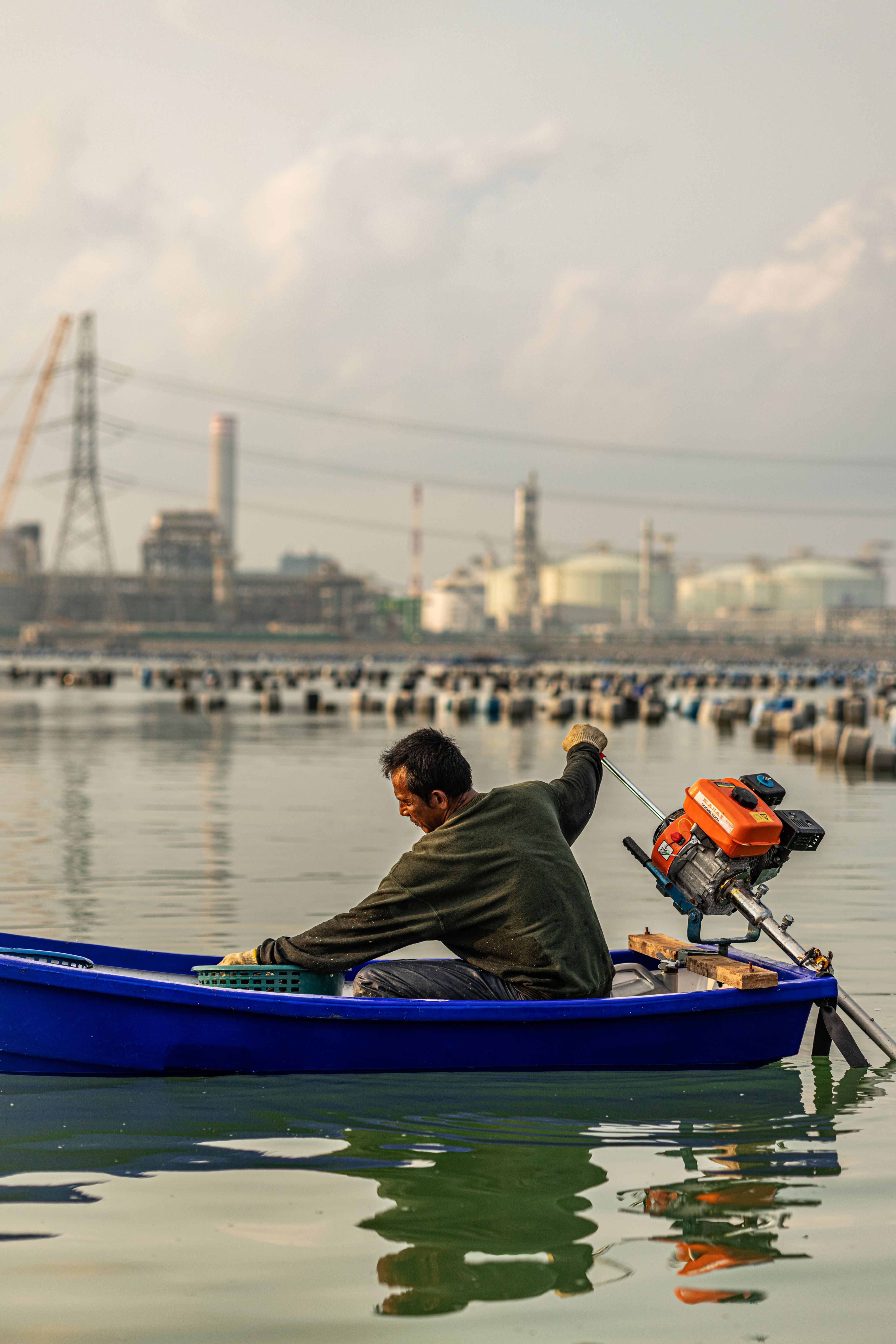
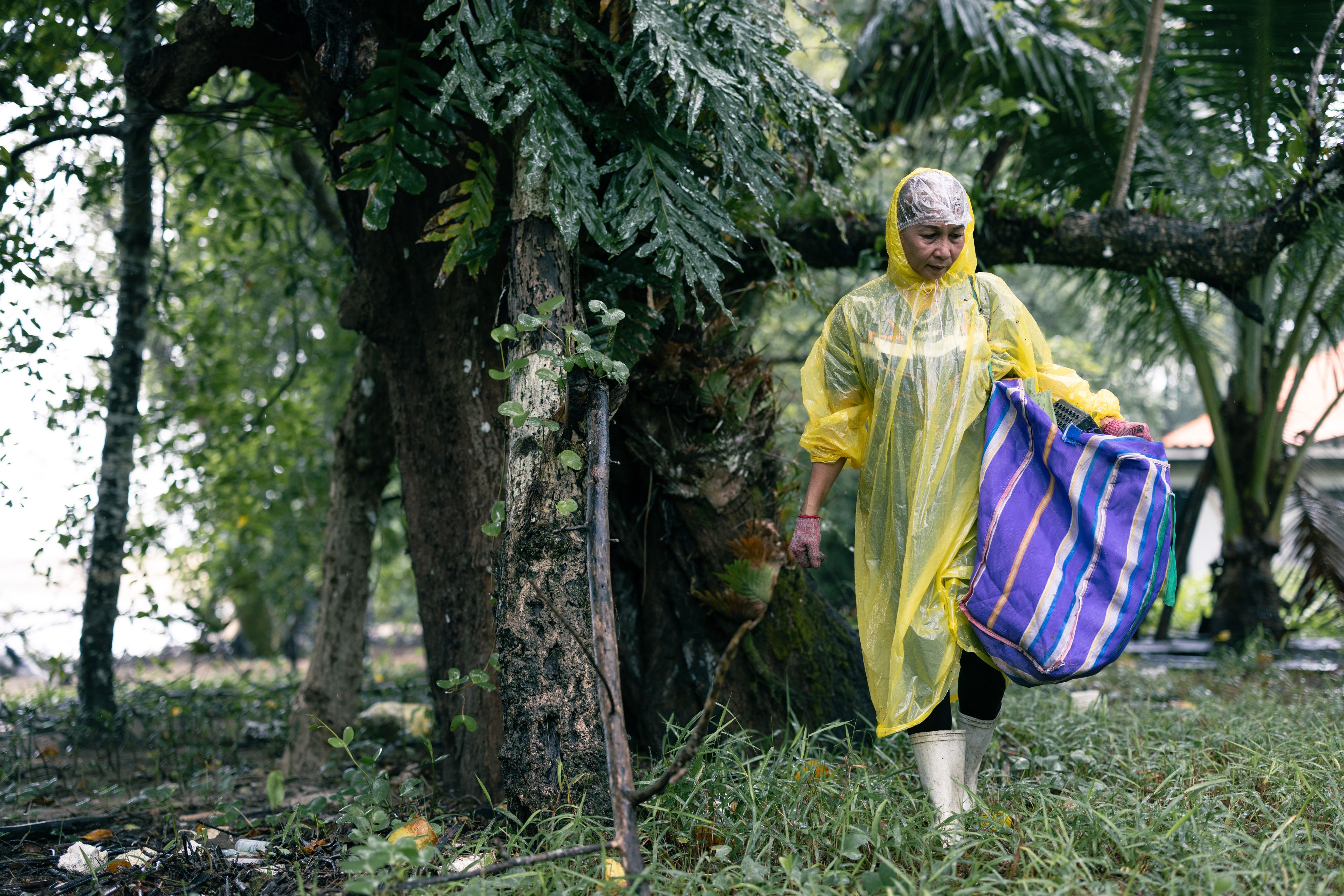
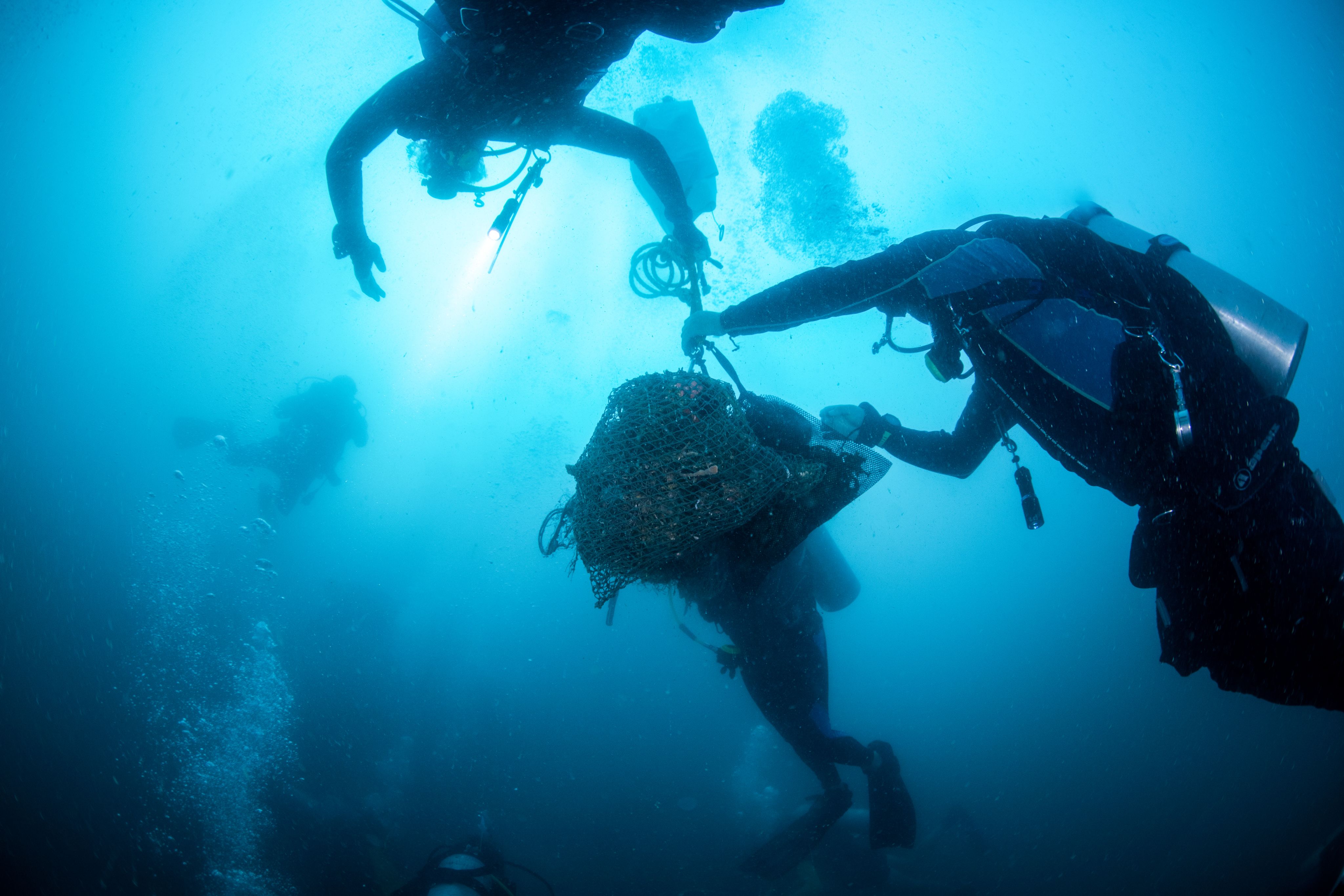
Plastic waste is choking our ocean. Abandoned or lost fishing nets and gear become floating death traps for marine wildlife, while the tons of single-use plastic bottles produced each year are discarded and too often end up polluting our seas.
This culture of single-use and waste severely impacts people's livelihoods and health. The more discarded nets pollute marine ecosystems, fish that would be caught and sold by artisanal fishers are entangled instead.
From the health perspective, many people do not have access to clean water sources, and must rely on water bottled in plastic. These bottles not only turn into ocean waste, but people who primarily use plastic bottles for their water intake likely ingest far more plastic particles than those who do not.
What we are calling for
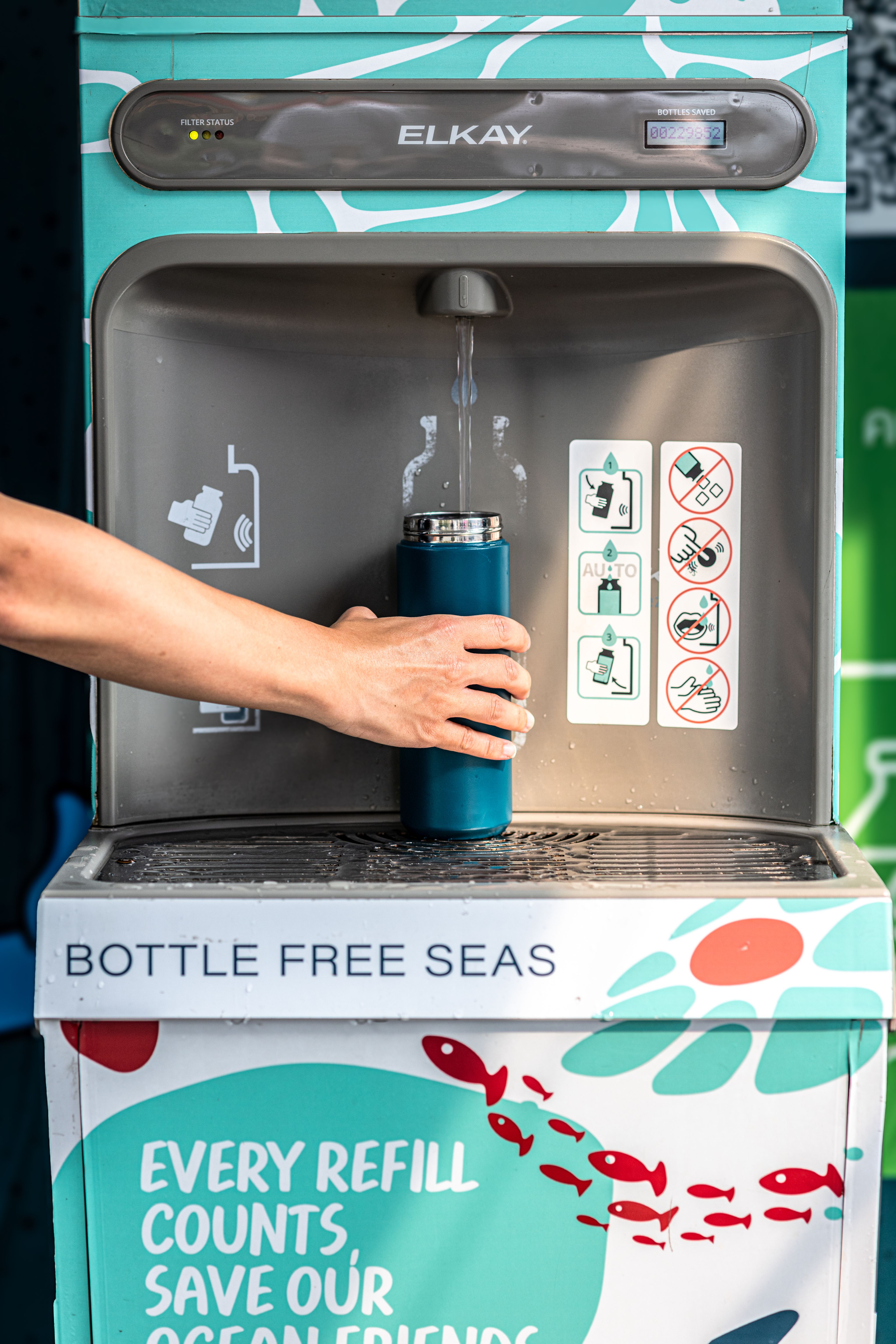
In Thailand, we work towards a plastic-free future with Net Free Seas and Bottle Free Seas, two projects which show how community participation and plastic reduction through refill and reuse systems are possible.
The success of our projects show that refill systems, circular economy solutions, and community management benefit both people and planet. What is needed now is more ambition from world leaders to enshrine these solutions in the Global Plastics Treaty, and to take a strong lifecycle approach to addressing fishing and aquaculture gear.
Beyond the treaty text, at this final session and other international talks, the voices of the most impacted and marginalised groups, and representatives from NGOs and civil society must be heard, rather than overshadowed by petrochemical lobbyists.

Recent reports
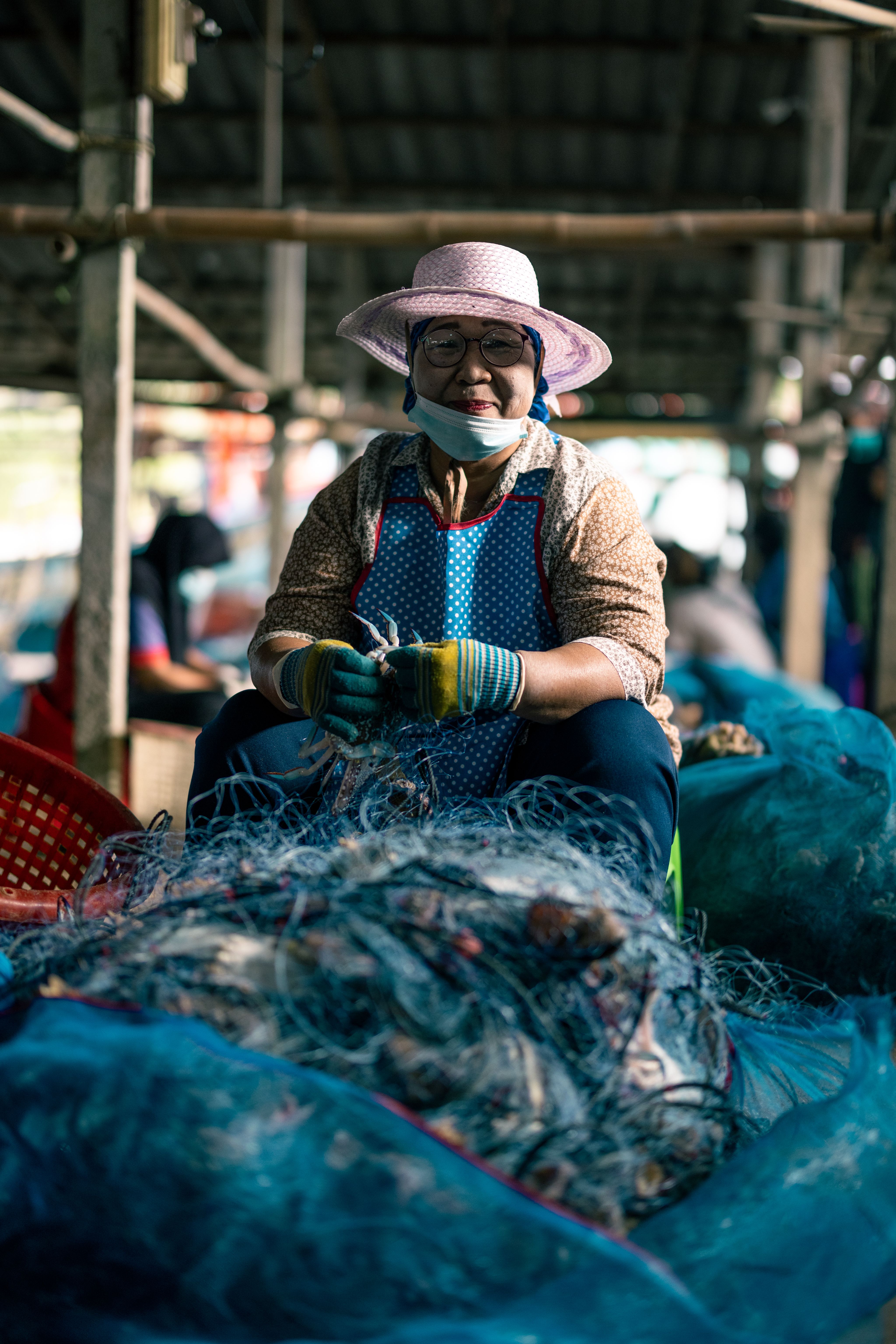
Net Free Seas: From waste to waves of change - The Net Free Seas (NFS) project addresses the growing challenge of abandoned, lost or otherwise discarded fishing gear through community leadership and sustainable supply chain development. This report outlines recommendations for scaling the project and institutionalising NFS as a national model for sustainable fishing gear management in Thailand and Southeast Asia.
EN version, TH version
Bottle Free Seas: ‘Refill’ to reduce single-use plastic bottles in Thailand - The Bottle Free Seas project is dedicated to reducing the use of single-use water bottles through the installation and promotion of water refill infrastructure in Bangkok. This report outlines lessons learned and how the initiative can be replicated.



 Built with Shorthand